
From Beginner to Advanced: Youth Tennis Progression Guide
Last updated: November 2025
This Youth Tennis Progression Guide shows parents exactly how kids move from red ball to full-court yellow. You’ll get age-appropriate court sizes, skill checkpoints, when to move up, weekly training doses, and the gear that matches each stage — with links to official resources and our most helpful parent guides.
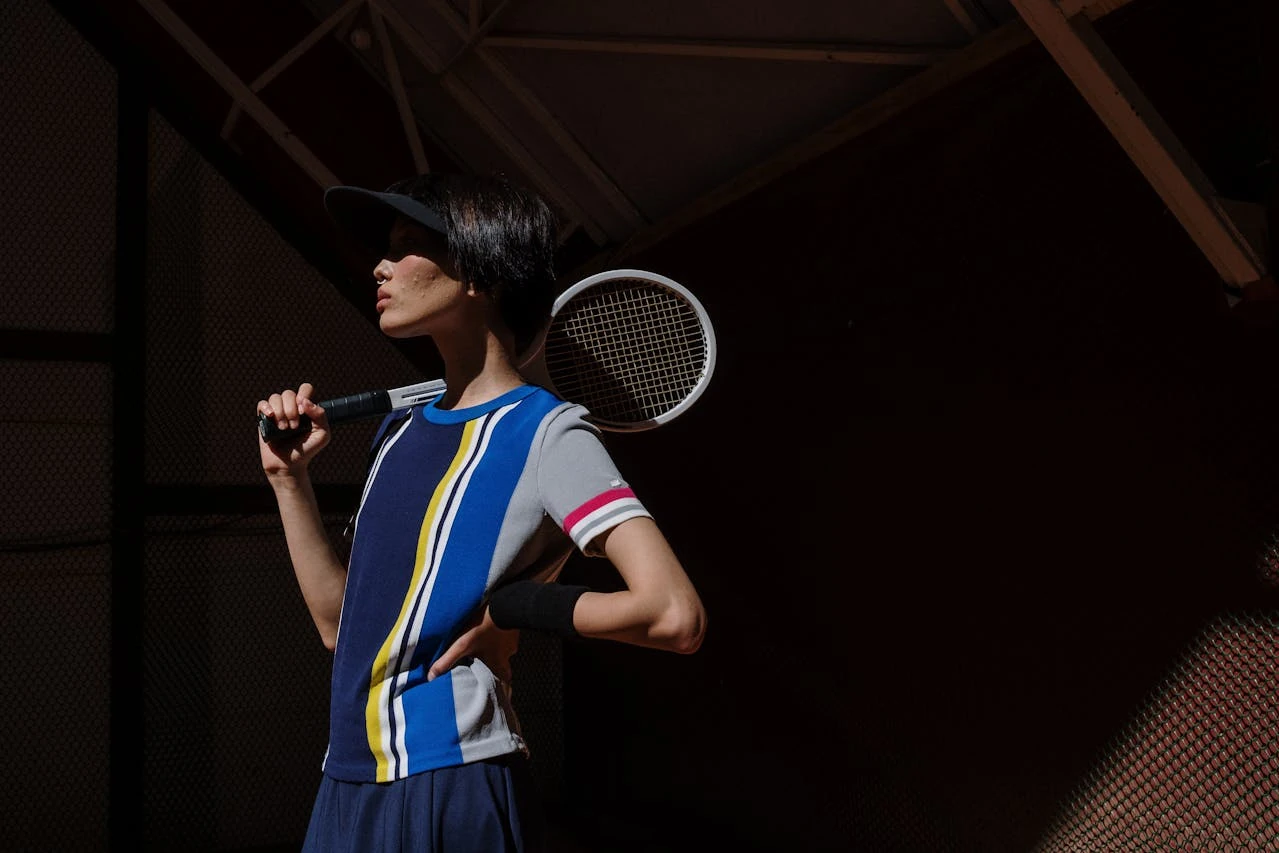
The pathway at a glance (red → orange → green → yellow)
The modern junior pathway endorsed by the USTA and the ITF Tennis10s uses softer, lower-bouncing balls and smaller courts so technique develops correctly. The goal is quality contact in front, balanced footwork, and simple patterns before adding pace and court size.
| Stage | Typical Age | Court / Net | Ball | Racquet | Move-Up Signals |
|---|---|---|---|---|---|
| Red | 4–7 | 36' x 18' • 2'9" net | Red (25% speed) | 19–21" | 8–10 ball rally, serve toss consistent, basic split-step |
| Orange | 7–10 | 60' x 21' • 3' net | Orange (50% speed) | 23–25" | 12–16 ball rally, serve legal 6/10, recover to center |
| Green | 9–12 | Full court • 3'–3'6" net | Green (75% speed) | 25–26" | Cross-court control, return deep 6/10, basic patterns |
| Yellow | 11–13+ | Full court • 3'–3'6" | Standard | 26–27" | Serve targets, point construction, match play readiness |
Skill checkpoints by level
Red ball (foundations)
- Ready stance and split-step timing
- Contact in front on forehand/backhand
- Underhand/abbreviated serve with legal toss
- Simple scoring and court etiquette
Orange ball (control + court awareness)
- Consistent cross-court rally lanes
- Recovery steps back to the middle
- Serve toss height, “up and out” reach
- First patterns: serve → cross-court; approach → volley
Green ball (stability + patterns)
- Depth control and margin above net
- Return in play with direction
- Change-of-direction safely (open space only)
- Short matches to 4 with tiebreaks
Yellow ball (power + point construction)
- Serve to targets 60–70% in, second-serve plan
- Pattern choices (defend cross, attack short ball)
- Transition/volley competence and overheads
- Compete weekly in sets; track stats
When to move up (objective rules that work)
- Rally test: hold a 12-ball cooperative rally cross-court twice in a row.
- Serve test: 7/10 legal serves from each side with balanced landing.
- Pattern test: serve → cross-court rally → deep ball on 3rd shot.
- Match test: play to 4 with two deuce points without losing form.
These align with best practices from the USTA and ITF.
Weekly training dose (simple & sustainable)
- Beginners: 1 lesson + 1 short family hit (30–45 min)
- Developing: 1–2 lessons/clinics + 1 free play session
- Competitive: 2 structured sessions + 1 match day
For general activity targets, see the CDC guidelines for children.
Gear that matches each stage
Correct racquet length and ball type accelerate clean mechanics and confidence. For exact sizes and a printable checklist, read our equipment deep dive: Tennis Equipment for Kids.
Progress faster with the right coaching
Group clinics are great for reps, but a coach who tracks checkpoints and adjusts ball/court settings speeds the journey through each level. We tailor plans to attention span, goals, and schedule. Start here: Private Tennis Lessons for Kids Near You.
Common roadblocks (and simple fixes)
- Late contact: place a cone ahead of the lead foot as a “meet the ball” target.
- Flat feet: clap cue into a split-step as the opponent hits.
- Wild serves: practice 30 “toss only” reps, then abbreviated serves.
- Burnout: mix matches with creative games; keep sessions bite-sized.
Related reading (internal links)
FAQ — Youth Tennis Progression Guide
What age should kids start?
Many begin playful red-ball tennis at 4–6. Move up when rally, serve, and pattern checkpoints are met — not just by age.
How do ratings/tournaments fit in?
When yellow ball skills stabilize, explore junior events via the USTA youth tennis hub. Keep the focus on learning and fun first.
How can parents help at home?
Mini-net or wall rallies, target games with cones, and short serve-toss practice. Consistency beats marathon sessions.