
The Best Pickleball Courts in Miami, by Neighborhood
Pickleball in Miami is not a trend that arrived late and is still figuring itself out. It took root here faster than almost anywhere in the South, fed by a combination of year-round outdoor weather, a large and active retired population, and a younger urban crowd that discovered the game during the pandemic and never left. The courts are spread across every corner of the metro, and each neighborhood plays the game with its own energy. Here is where to find them and what to expect.
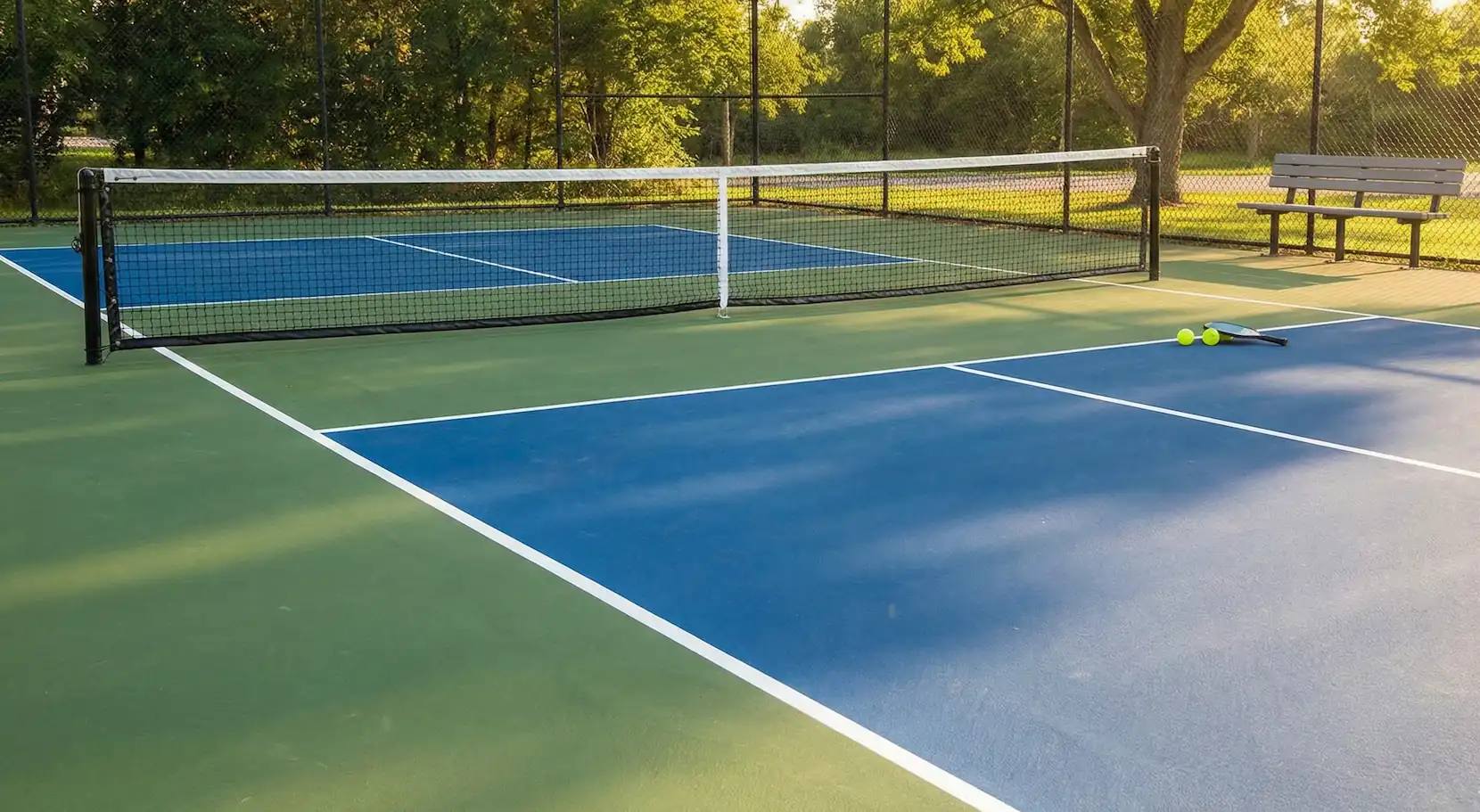
1. How Miami Became a Pickleball City
The conditions that made pickleball explode nationally were always concentrated in Miami to a degree most cities cannot match. Warm weather year-round means the outdoor season never ends. A large and health-conscious population of retirees found a sport that was social, lower-impact than tennis, and competitive enough to keep them coming back daily. And then the younger wave hit: Wynwood residents in their thirties started filling courts that a few years earlier were used exclusively by people twice their age.
What makes Miami specifically interesting is that the pickleball community here splits cleanly by neighborhood in ways that make location relevant to the kind of experience you are looking for. The Wynwood and Edgewater scene is urban, social, and skews young. The Coral Gables and South Miami scene is more structured, older on average, and takes the competitive side seriously. The western suburbs have large and tight-knit communities of players who show up at the same courts every morning and have been doing so for years. None of these are better than the others; they are just different games.
One consistent reality across all of them: the Miami heat applies to pickleball exactly as it applies to tennis. Early mornings and evenings after 5:30pm are where the serious play happens. If you want to get instruction sorted before you start exploring the open play scene, our guide to pickleball lesson pricing in Miami gives you an honest picture of what to budget.
2. Wynwood and Edgewater: The Urban Court Scene
The transformation of Wynwood from a warehouse district into Miami's most photographed neighborhood brought with it a population of younger professionals who were already active and looking for things to do that were not exclusively nightlife-focused. Pickleball filled that gap with almost suspicious efficiency. The courts in and around Wynwood, Edgewater, and the Midtown corridor are the liveliest in the city on weekend mornings, with pickup games running back to back and a social energy that is difficult to replicate at a more traditional park facility.
- Camillus House Courts and Murphy Park: Murphy Park at the edge of Wynwood has seen significant investment in its recreational facilities, including pickleball. The courts here draw a genuinely mixed crowd by age and background, which is part of what makes them interesting.
- Edgewater Waterfront Courts: Margaret Pace Park in Edgewater sits directly on Biscayne Bay and has become one of the most popular pickleball destinations in the urban core. The setting is outstanding and the courts are consistently occupied. Arrive early on weekends or expect a wait.
- The Vibe: This is where you come for pickup games with people you did not know before you arrived. Games form organically. If you are new and show up with a paddle, someone will wave you in.
Margaret Pace Park in Edgewater has earned its reputation as Miami's best urban pickleball experience. Bay views, multiple dedicated courts, and a community that fills them from early morning through sundown. If you want to experience what makes Miami pickleball feel different from everywhere else, this is a good starting point.
3. Brickell and Downtown: The Amenity Court Revolution
The same condo court dynamic that shapes tennis in Brickell is reshaping pickleball even faster. Residential towers throughout Brickell and Downtown have been converting underused tennis courts into dedicated pickleball courts, or adding pickleball lines to existing hard court surfaces, in direct response to resident demand. Buildings that installed a tennis court in 2010 because it was expected are realizing that half their residents want pickleball courts instead.
For people who live in this corridor, the amenity court model is the best possible setup for working with a private coach. A Golden Racket Academy pickleball coach comes directly to your building, works with you on your rooftop or podium-level court, and you have a focused private session without leaving your zip code. The mobile coaching model was essentially designed for this situation.
- Court quality varies significantly by building: Some towers have full-size, purpose-built pickleball courts. Others have tennis courts with painted pickleball lines that create awkward bounce variations near the baseline. Ask your building management specifically about the surface before planning sessions that require consistent deep-court play.
- Public options nearby: Jose Marti Park along the Miami River has dedicated pickleball courts accessible to non-residents and offers a good alternative for Brickell players whose buildings have not yet made the conversion.
4. Miami Beach: Pickleball With an Ocean Breeze
Flamingo Park, which serves as the anchor for Miami Beach tennis as covered in our guide to Miami's best tennis courts by neighborhood, has also become a pickleball destination. The Beach's population skews active and socially motivated in ways that pickleball rewards, and the evening conditions here after the sun drops are among the most comfortable in the entire metro.
- Flamingo Park Pickleball Courts: Dedicated courts with lighting for evening play. Busy on weeknights and weekend mornings. The Beach crowd here is mixed in age and competitive level, with a notably friendly atmosphere for newer players.
- Normandy Isle Park: On the northern end of Miami Beach, Normandy Isle has pickleball courts that draw a more local, neighborhood-focused crowd than the Flamingo Park scene. Quieter, more consistent in terms of who shows up, and easier to get court time on during peak hours.
- The Wind Factor: Miami Beach sits on a barrier island and the ocean breeze is real. Outdoor pickleball here in the afternoon involves wind management that players coming from inland courts will need to adjust for. Dinks float, lobs carry, and anything short gets pushed around. Early morning sessions before the wind builds are the competitive player's preferred window.
5. Coral Gables and South Miami: The Structured Scene
If Wynwood pickleball is about social energy and spontaneous pickup games, Coral Gables pickleball is about regulars, organized round robins, and players who have been showing up to the same courts at the same time for years. The structured rec programs here run through the city's parks department and through private clubs that have added pickleball to their offerings, and they attract a community that treats the game competitively without losing the social dimension that makes it worthwhile.
- Coral Gables Youth Center Courts: The city of Coral Gables has invested in dedicated pickleball infrastructure. The courts here are well-maintained and the programming is organized. Residents get priority booking; non-residents can still access courts during open play windows.
- The Community Factor: The Coral Gables pickleball community is tight-knit in ways that take a few sessions to break into but reward patience. Regular players here know each other's games, organize their own informal leagues, and often have strong opinions about who they want to partner with in doubles. Show up consistently and you will find your footing.
- South Miami Parks: Fuchs Park and Dante Fascell Park in nearby South Miami offer additional public courts that draw from the same population of serious recreational players without the Gables residency question.
6. Kendall, Doral, and the Western Suburbs: The Daily Player Belt
The western suburbs of Miami-Dade have the highest density of daily pickleball players in the metro. This is not hyperbole. The combination of large park systems, strong recreational infrastructure, and communities with more flexible morning schedules has produced a culture where players show up to the same courts every morning at 7am and play until the heat makes it untenable around 10. These are not casual dabblers; many of them have been playing five days a week for years and have developed real competitive games.
- Tamiami Park: One of the largest recreational complexes in Miami-Dade, Tamiami has multiple dedicated pickleball courts and an active daily open play community. The level here is genuinely competitive at peak hours and welcoming to newcomers during off-peak times.
- Doral Central Park: Doral's investment in its parks system has included pickleball infrastructure that reflects the community's appetite for the sport. The Venezuelan and Colombian communities that anchor Doral brought a serious sporting culture with them, and pickleball has absorbed part of that energy.
- A.D. Barnes Park (Westchester): A reliable option in the Westchester corridor with consistent play and a community-focused atmosphere that sits between the social Wynwood energy and the organized Coral Gables structure.
If you show up at Tamiami Park or Doral Central Park at 7am on a weekday, you will find courts full of players who have already been there for thirty minutes. This morning culture is one of Miami pickleball's most distinctive features. The players are experienced, the games are competitive, and the community is genuinely welcoming once you have shown up a few times.
7. North Miami and Aventura: The Northern Corridor
The stretch from North Miami through Aventura toward the Broward County line has one of the most active pickleball communities in South Florida, anchored by a large and engaged retiree population that treats the sport as a daily social institution. This is where pickleball's original demographic base in Miami lives, and the facilities here reflect years of organized investment in the sport.
- Oleta River State Park: While primarily known for mountain biking and kayaking, the North Miami Beach area surrounding Oleta has seen significant pickleball growth in its adjacent parks and recreational facilities.
- Aventura: Private residential communities and country clubs in Aventura have embraced pickleball aggressively. The sport here functions primarily through HOA and club infrastructure rather than public parks, which gives it a more organized but less accessible character for outsiders.
- Greynolds Park: A North Miami Beach park with dedicated courts and consistent open play. The crowd here is experienced and welcomes players who show up regularly and demonstrate that they are there to play seriously.
8. Quick Comparison
| Neighborhood | Key Courts | Best For | Vibe |
|---|---|---|---|
| Wynwood / Edgewater | Margaret Pace Park, Murphy Park | Pickup games, social play, younger crowd | Urban, spontaneous, high energy |
| Brickell / Downtown | Building amenity courts, Jose Marti Park | Condo residents, private coaching | Convenient, mobile-coach friendly |
| Miami Beach | Flamingo Park, Normandy Isle | Evening play, beginners, social | Beachy, breezy, friendly |
| Coral Gables / South Miami | Youth Center Courts, Fuchs Park | Structured play, competitive rec | Organized, community-driven |
| Kendall / Doral / Westchester | Tamiami, Doral Central, A.D. Barnes | Daily play, serious rec players | Early morning, high volume |
| North Miami / Aventura | Greynolds Park, club courts | Organized leagues, experienced players | Established, consistent, community-focused |
9. Frequently Asked Questions
What is the most popular pickleball court in Miami?
Margaret Pace Park in Edgewater is consistently cited as one of Miami's most popular pickleball destinations, particularly for the urban core. For the western suburbs, Tamiami Park draws large and consistent daily crowds. Popularity in Miami is genuinely neighborhood-specific; the best court is usually the one closest to where you live, because the daily player culture in this city is built around proximity.
Are there indoor pickleball courts in Miami?
Yes, though Miami's year-round outdoor weather means indoor courts are less dominant here than in northern cities. Several private clubs and recreational facilities offer indoor options, which become particularly valuable during South Florida's summer thunderstorm season when afternoon outdoor play gets disrupted regularly.
What time should I play pickleball in Miami to avoid the heat?
The same windows that govern tennis in Miami apply to pickleball: before 10am and after 5:30pm, particularly from late spring through early fall. The morning window is preferred by the most serious daily players in the western suburbs and Coral Gables. Evening play at lighted courts like Flamingo Park on Miami Beach offers a genuinely comfortable alternative once the sun drops.
Can I get pickleball lessons at my condo in Brickell?
Yes. Golden Racket Academy pickleball coaches travel to your location throughout Miami, including the amenity courts of residential buildings in Brickell and Downtown. If your building has a pickleball court or a tennis court with pickleball lines, your coach comes to you. No facility fee, no commute, no scheduling around a public park's availability.
Is pickleball popular in Miami year-round?
Yes, though the texture of the season shifts. The cooler months from November through April are peak pickleball season in Miami, with snowbirds adding significantly to the court population and the social scene. Summer play is genuinely more demanding due to heat and afternoon thunderstorms, but the daily player community in Miami does not disappear in the summer. They just move their sessions earlier in the morning.
Find Your Court. Then Find Your Coach.
Miami has the courts. It has the community. And it has the weather to play year-round in ways that most of the country cannot. If you want to accelerate your game before you dive into the open play scene, Golden Racket Academy connects you with pickleball coaches throughout Miami who come to wherever you play.